

Categories
11 Apr, 2026
Savvy News
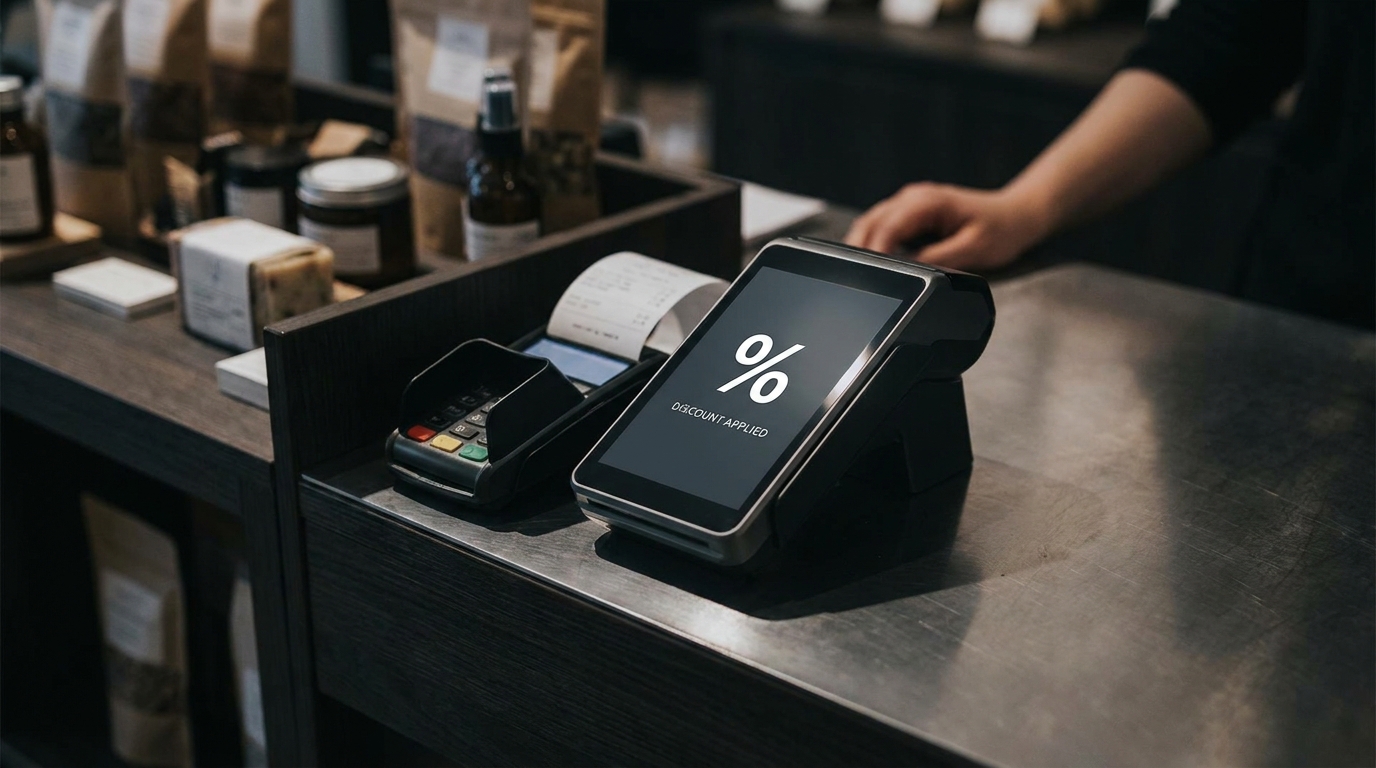
Since October 2022, Canadian merchants have been legally allowed to add a surcharge on Visa and Mastercard credit card transactions, up to a maximum of 2.4% of the purchase price. Quebec is exempt. Everywhere else, that option is now on the table.
2.4%
maximum surcharge allowed in Canada
Oct 2022
when merchants were permitted to start surcharging
0%
surcharge permitted in Quebec
$0
surcharge on debit (Interac) transactions
Most major retailers have not implemented surcharges. But some businesses, particularly in industries with thin margins like hospitality, fuel, and small retail, are starting to add them. Here is what changed, what it means for your wallet, and what you can do about it.
What changed in October 2022
Before October 2022, Visa and Mastercard rules prohibited merchants from passing credit card processing fees on to customers as a visible surcharge. Merchants paid interchange fees (typically 1.4% to 2.4% depending on the card type) as a cost of doing business, and those costs were baked into retail pricing across the board.
A class-action lawsuit settlement changed that. The settlement required Visa and Mastercard to amend their merchant agreements to allow surcharging. As of October 6, 2022, Canadian merchants can add a surcharge on credit card purchases, provided they:
- Disclose the surcharge clearly before the transaction is completed
- Cap the surcharge at the merchant's actual cost of acceptance or 2.4%, whichever is lower
- Apply the surcharge consistently (not selectively to specific customers)
- Do not surcharge debit card transactions
Quebec remains the exception. Provincial consumer protection law in Quebec prohibits credit card surcharges, which is why businesses that operate nationally have been slow to implement them nationally.
Who is actually charging surcharges
Major grocery chains, large retailers, and national restaurant chains have largely held off. The calculation for them is reputational: a 1.5% surcharge at a checkout irritates customers visibly in a way that an equivalent 1.5% price increase does not.
Where surcharges are appearing more often:
- Independent restaurants and small food service operators
- Professional service providers (legal, accounting, medical)
- Fuel and gas stations (some operators have added a per-litre difference between cash and credit prices)
- Online businesses, particularly in sectors like software and services where international processors are common
The surcharge disclosure requirement means merchants have to tell you before you pay. If a business is not disclosing a surcharge upfront and adds it at the point of sale, that is a violation of the rules. You can push back and ask for the charge to be removed.
How this affects cards with reward programs
Here is the part most credit card guides skip. Credit card interchange fees are not uniform. A basic credit card with no rewards charges merchants less per transaction than a premium rewards card. An Aeroplan Visa Infinite card typically costs a merchant more per transaction than a standard Visa card.
Under the current surcharge rules, merchants are allowed to charge based on their actual cost of acceptance per card type. In practice, this means a business could theoretically charge you more for using a premium rewards card than a basic card. Whether businesses will implement that level of complexity at the point of sale remains to be seen, but it is technically permitted.
How to avoid surcharges
You have more options than you might think.
- Use a debit card. Surcharges are not permitted on debit transactions. Interac debit fees to merchants are much lower than credit card interchange. If a business is adding a surcharge, paying with Interac removes it.
- Use cash. No fees at all, and some businesses that have implemented surcharges also offer a cash discount rather than a credit surcharge, which is legally the same thing structured differently.
- Ask before you pay. Merchants are required to disclose surcharges. Ask upfront at any business you suspect might be adding them, especially independent restaurants and service providers.
- Choose businesses that do not surcharge. If a competitor charges the same price with no surcharge, that is an easy choice.
What this means for the future of credit card rewards in Canada
Credit card surcharges are one of several pressures on the Canadian rewards card ecosystem. The federal government has also been pressuring Visa and Mastercard to reduce interchange fees, which directly fund rewards programs. Lower interchange means less revenue for banks to fund points, cashback, and benefits.
In the near term, Canadian credit card rewards are still robust compared to what many other countries offer. In the medium term, as interchange fees potentially come down and surcharging becomes more common, the calculation on premium annual-fee cards may shift slightly.
For now, the best response is to know which merchants are adding surcharges, carry a debit card as a backup, and factor a potential 2.4% surcharge into the math when you are deciding whether a rewards card is worth keeping.
Frequently asked questions
Is it legal for a restaurant to add a credit card fee in Canada?
Yes, outside of Quebec. Any Canadian merchant can add a surcharge on Visa and Mastercard transactions up to 2.4%, as long as they disclose it clearly before the transaction. If you were not told about the surcharge before paying, you can dispute the charge.
Can merchants surcharge American Express?
The October 2022 rule changes applied specifically to Visa and Mastercard, following those networks changing their merchant agreements as part of a class-action settlement. American Express has its own separate merchant agreement rules. In practice, many merchants that do surcharge are applying it to all credit cards, but the legal framework is different for Amex.
Does the surcharge apply to online purchases too?
Yes. The rules do not distinguish between in-person and online transactions. Online merchants can add surcharges provided they disclose them clearly before checkout is completed.
Credit card surcharges are still uncommon at most places Canadians shop every day. But knowing how they work means you will not be caught off guard when one appears.
